
Understanding the psychology of risk in gambling behavior
The Nature of Risk in Gambling
Risk is an inherent component of gambling, attracting individuals with the thrill of potential rewards. This psychological phenomenon is driven by various factors, including the allure of uncertainty and the excitement surrounding the possibility of winning. In seeking information, players often turn to resources like a list of new casinos to help guide their decisions. Gamblers often engage in behaviors that reflect their risk tolerance, which can vary significantly from person to person. Understanding these motivations is essential to grasp why individuals gamble and the choices they make.

The perception of risk can be skewed by cognitive biases, such as overconfidence and the gambler’s fallacy. Many players believe that their skills can influence outcomes in games of chance, leading them to take on higher risks. This mindset not only increases their likelihood of gambling but also impacts their decision-making process, often resulting in larger bets and prolonged gambling sessions.
Psychological Motivations Behind Gambling
People gamble for a variety of reasons, including escapism, social interaction, and the desire for financial gain. The excitement associated with taking risks can offer a temporary reprieve from daily stressors, creating an emotional high that reinforces gambling behavior. This psychological escape often leads individuals to gamble more frequently, sometimes disregarding the negative consequences that may follow. Understanding these principles behind gambling can significantly enhance our understanding of human behavior.
The thrill of the game itself can also foster a strong emotional connection to gambling. For many, it becomes a source of entertainment and social bonding, reinforcing their inclination to engage in risk-taking behavior. Understanding these psychological motivations provides insight into why gambling can be so addictive, as the emotional rewards can outweigh the rational assessment of risks involved.
The Role of Cognitive Biases in Gambling
Cognitive biases significantly influence gambling behavior, often leading players to make irrational decisions. One common bias is the illusion of control, where gamblers believe they can influence the outcome of a game despite it being entirely random. This belief can lead to increased risk-taking and greater financial losses as players engage more frequently, fueled by the hope of winning.
Another prevalent cognitive bias is the availability heuristic, where individuals judge the probability of an event based on how easily they can recall similar instances. If a person remembers a big win, they may perceive their chances of winning as higher than they truly are. These biases can distort risk perception, leading to poor decision-making and potential gambling addiction.
The Impact of Environment on Gambling Behavior
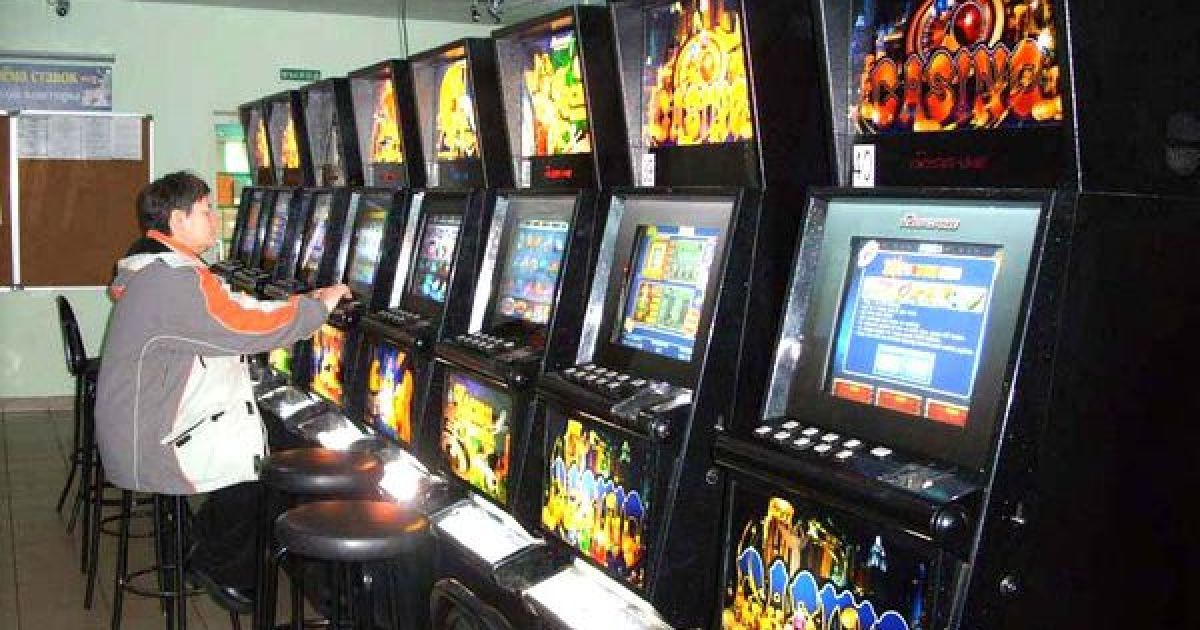
The environment in which gambling takes place can greatly affect an individual’s behavior and attitude toward risk. For instance, casinos often create an atmosphere designed to encourage prolonged play, featuring bright lights, free drinks, and no windows to help players lose track of time. Such environments can heighten the excitement and impulsivity associated with gambling, often leading to higher stakes and riskier behavior.
Moreover, social factors play a crucial role in shaping gambling behaviors. For example, individuals may feel pressured to gamble more when surrounded by friends who are also gambling. This social dynamic can amplify risk-taking tendencies, as individuals may want to demonstrate their commitment to the group or share in the collective excitement of the experience.
Resources for Responsible Gambling
Understanding the psychology of risk in gambling behavior is essential for promoting responsible gambling practices. Resources that provide information on the risks associated with gambling can empower players to make informed decisions. Additionally, tools such as self-exclusion programs and spending limits can help individuals manage their gambling behavior and reduce the likelihood of developing problematic habits.
Educational resources about the psychological aspects of gambling can also be beneficial. By fostering a deeper awareness of the emotional and cognitive factors involved in gambling, individuals are better equipped to navigate their experiences responsibly. Engaging with these resources can enhance players’ understanding of their behaviors and encourage more mindful decision-making in the exciting world of gambling.